
Cart 0
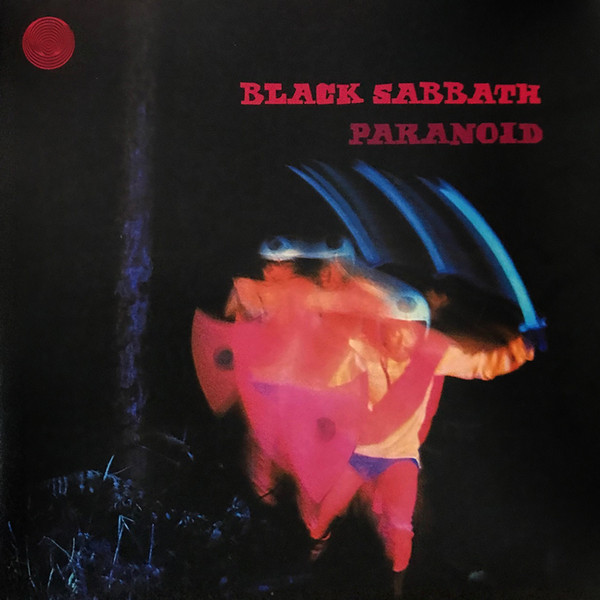
Black Sabbath – Paranoid (LP)
25.00 € inc. VAT
With its monolithic slabs of sound and Tony Iommi’s guitar so growlingly low as to be almost subterranean, Black Sabbath’s second album maps out the same pessimistic pathways as their self-titled debut, also released in 1970. Despite having cover artwork featuring a bloke with his Y-fronts outside of his long-johns, waving a plastic sword whilst wearing a crash-helmet, Sabbath meant business, and their dirge-drill was set to max, aiming straight for the skull.
The title track, famously dashed off in a few minutes, was a surprise hit in the singles charts. Claustrophobic and oppressive, this is dark stuff dominated by Iommi’s blunt riff and Ozzie Osborne’s emotionally numbed monotone sounding like car alarm gone on the blink. About as understated as a navvie’s 14-pound hammer, it sold bucketloads, drawing in yet more fans attracted to the no-frills pounding of proto-metal.
Though popularly associated with the Devil and all his works, the songs here are more sci-fi than Satan, charting apocalyptic futures, dystopian regimes and comic-book characterisations of politicians and the military. The spacey ballad “Planet Caravan”, with Osborne’s vocals rinsed through a gauze of filters shows them capable of softening things when the urge took them. The only real clunker is “Rat Salad”, an instrumental bookend for a drum solo. Though it probably worked well enough on stage, shoehorned into the studio it sounds rather cramped and lacklustre.
Sabbath may not have been the most musically adventurous group of their generation but they did one thing and did it exceptionally well. If you want proof just take a look at the world of heavy metal. Without this album there wouldn’t be one. Simple as that.
| Genre | Classic Rock, Hard Rock, Heavy Metal/NWOBHM, Metal, Rock/Pop 60s-70s |
|---|
| Weight | 0.55 kg |
|---|---|
| Artist(s) | |
| Label |
Additional information
| Weight | 0.55 kg |
|---|---|
| Artist(s) | |
| Label |
Related Products
-
 Select options
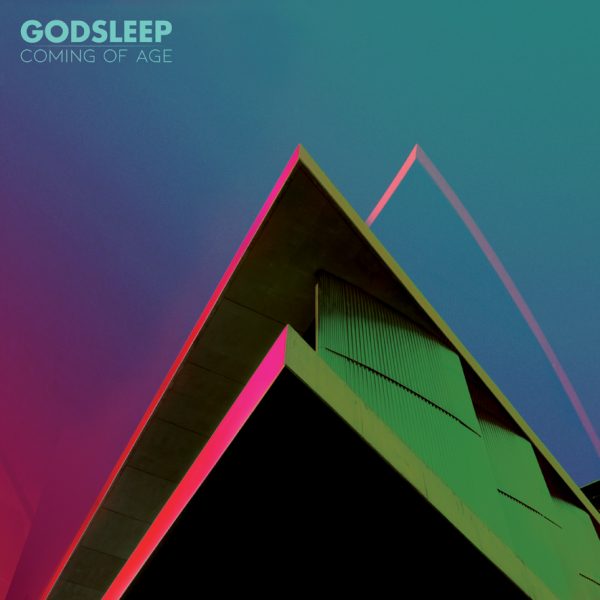
 Godsleep – Coming Of Age
Price range: 13.00 € through 24.00 € inc. VAT -
 Add to basket
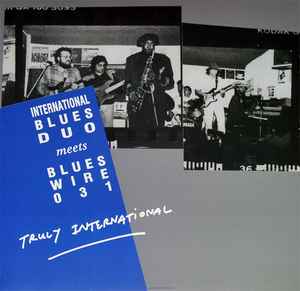
 International Blues Duo Meets Blues Wire – 31 (LP)
25.00 € inc. VAT -
 Select options
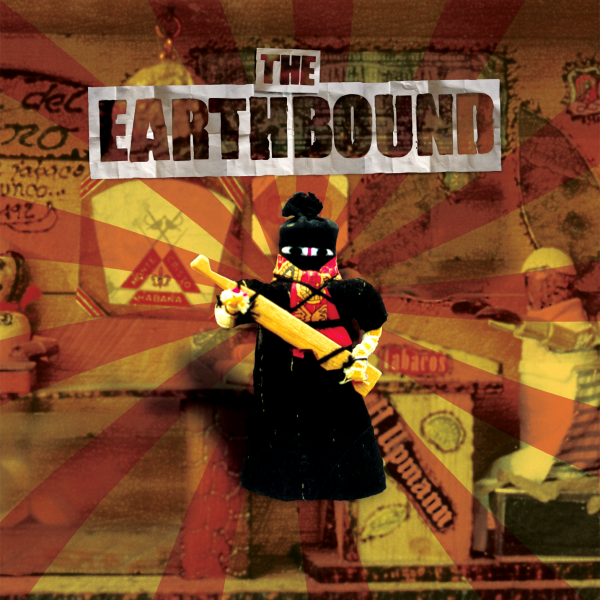
 The Earthbound – The Earthbound
Price range: 7.00 € through 25.00 € inc. VAT -
 Add to basket
 Arbouretum – Rites Of Uncovering (LP)
30.00 € inc. VAT